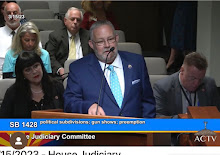
I heard the term “solutionary” many years ago and didn’t really pay much attention to it. Then a few years ago at a Freedom Conference, I sat in a session with Maj Toure and he spoke about being a solutionary in the fight for Second Amendment protections. It was then that I put two and two together and it clicked.
In an era where the principles of individual liberty and limited government are persistently challenged, becoming a solutionary dedicated to the cause of liberty is more vital than ever. A solutionary in this context is not just a resolver of problems but a visionary in the quest for justice, armed with strategic insight, bravery, and a steadfast dedication to the classical liberal ideals of freedom, personal responsibility, and minimal government intervention.
Understanding the Role of a Solutionary
The term "solutionary" specifically refers to individuals who tackle complex social issues with holistic, sustainable solutions that are grounded in the principles of classical liberalism. Solutionaries are committed to advocating for the individual's right to life, liberty, and property, free from excessive government control. They aim to dismantle the root causes of government overreach into personal freedoms and civil liberties, utilizing knowledge, creativity, and empathy to form strategies that safeguard and promote these fundamental rights.
The Foundation of Knowledge
To be a solutionary in the realm of liberty begins with a deep understanding of classical liberal philosophy, history, law, and policy, as well as the socio-political contexts that influence legislation and public opinion. It's crucial for advocates to be thoroughly informed about the constitutional protections of liberty, current statutes, and the methods through which rights can be defended and expanded.
Strategic Advocacy
Effective advocacy is marked by strategic thinking. Solutionaries identify critical leverage points within the system—whether these are in public opinion, legislative bodies, or judicial courts—and develop multifaceted strategies to influence them. This may involve efforts in lobbying, grassroots campaigns, coalition-building, and public relations tactics to steer public and political opinion towards a stance that favors liberty and minimal government interference.
Coalition Building
A solutionary never works alone. Forming coalitions with
individuals, organizations, and communities that share a commitment to freedom
principles is essential. These coalitions expand the reach and impact of
advocacy efforts, combining diverse skills, resources, and perspectives. They
also serve as a network of support, providing resilience and sustained energy
to the movement for liberty.
Embracing Technology and Innovation
In today’s digital age, embracing technology is crucial for solutionaries. Digital tools can amplify messages, mobilize supporters, gather data, and streamline communications. Innovations such as social media platforms, data analytics, and digital campaigning can transform traditional advocacy, making it more dynamic and far-reaching.
Ethical Leadership
A solutionary leads by example, demonstrating integrity, transparency, and respect for differing viewpoints. They foster environments where open discussions are encouraged, and solutions are developed through consensus and democratic processes. Ethical leadership ensures that the fight for liberty remains just and inclusive.
The Long View
Finally, being a solutionary means taking the long view. Advocating for freedom and liberty is not just about winning a single legislative battle; it’s about shaping a society that respects and upholds those principles for all, generation after generation. This requires persistence, patience, and a commitment to ongoing education and engagement.
Embracing the role of a solutionary in the cause of liberty
is both a responsibility and an opportunity. It challenges us to be thinkers,
leaders, and innovators in our pursuit of a better world. By adopting this
role, each of us can contribute to a legacy of freedom that endures, ensuring
that the liberties we hold dear are protected and passed on to future
generations. Let us move forward, guided by the solutionary spirit to advocate,
innovate, and lead with wisdom and courage.